
In August, with continuous breakthroughs in the Artificial Intelligence (AI) sector, the crypto market witnessed a second spring for AI-themed tokens. Investors and developers are beginning to realize that blockchain technology can be used for more than just issuing tokens—it can solve core pain points currently facing the AI industry, such as compute monopolies and data privacy. Decentralized compute networks became the most capital-sought sector this month.
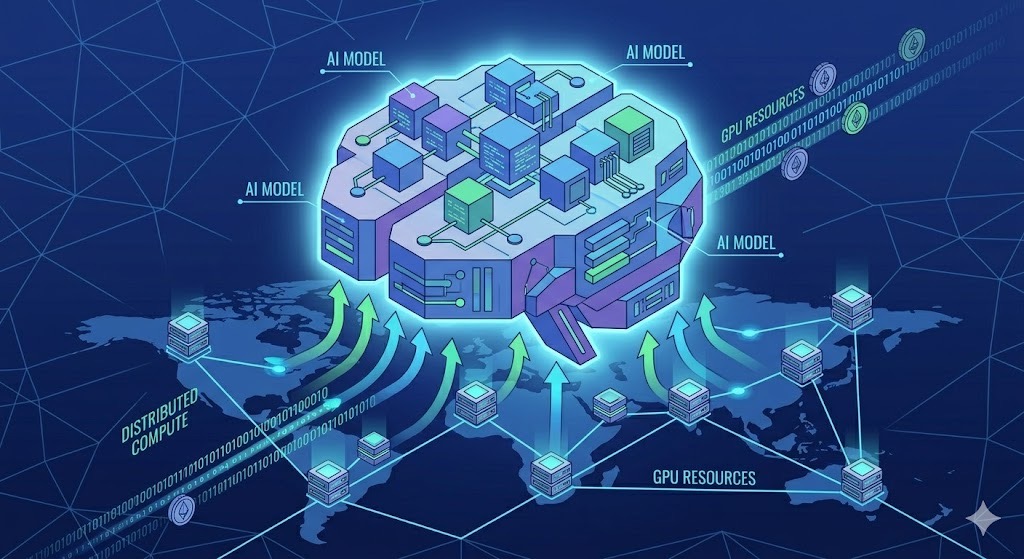
"AI requires massive amounts of computing power, and Web3 possesses globally distributed, idle GPU resources. The combination of the two is a match made in heaven," stated the founder of decentralized cloud computing platform Akash Network during a tech forum presentation. "Through smart contracts and token incentives, we can build a permissionless global compute market, providing services to AI developers at a fraction of the cost charged by traditional tech giants." Driven by this narrative, tokens in the AI and Big Data sectors, including Render Network (RNDR) and Fetch.ai (FET), recorded staggering gains in August, with some projects doubling in a single month. This craze even prompted traditional hardware manufacturers to re-evaluate the value of crypto mining rigs.
However, regulatory concerns lurked behind the prosperity. In late August, the US Securities and Exchange Commission (SEC) issued Wells Notices to several prominent cryptocurrency exchanges, alleging the listing of unregistered securities tokens. "The Sword of Damocles of regulation still hangs over the market's head," commented a senior policy analyst at CoinDesk. "While technological innovation is exciting, compliance risks can trigger short-term panic sell-offs at any moment." Despite the regulatory noise, Bitcoin stubbornly held onto key support levels at the end of August. Analysts believe that as autumn arrives, market liquidity will gradually recover, and institutional capital is expected to resume large-scale accumulations after the summer holidays.