
In February, the crypto market's focus shifted significantly toward the application layer, particularly decentralized social media and identity verification sectors. Following frequent data privacy scandals and censorship controversies on traditional social giants, millions of users have begun migrating to blockchain-based Web3 social platforms, driving active user counts on protocols like Farcaster, Lens Protocol, and Friend.tech to all-time highs.
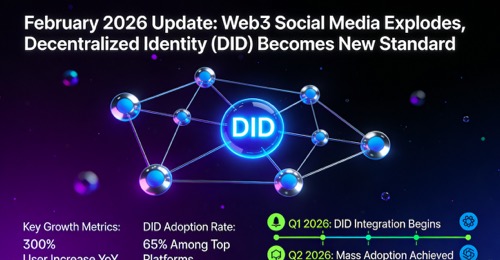
"We are witnessing a paradigm shift in Web3," commented a core developer at decentralized identity protocol ENS (Ethereum Name Service) during a media interview. "In the past, we always emphasized the opposition between decentralization and centralization, but now we are seeing convergence. When the infrastructure of companies like Microsoft or Google deeply integrates blockchain technology, Web3 will see true billion-user growth. Decentralized Identity (DID) is becoming the new global standard."
Driven by the bullish news of this Web3 application wave, Web3 infrastructure-related tokens (such as oracles, decentralized storage, and cross-chain interoperability protocols) performed stellar in February, with average gains exceeding 30%. However, on technical charts, Bitcoin failed to break through resistance levels at previous highs toward the end of February. Technical analysts generally agree that if Bitcoin can stabilize with high trading volume, the market will enter a months-long ascending channel.